
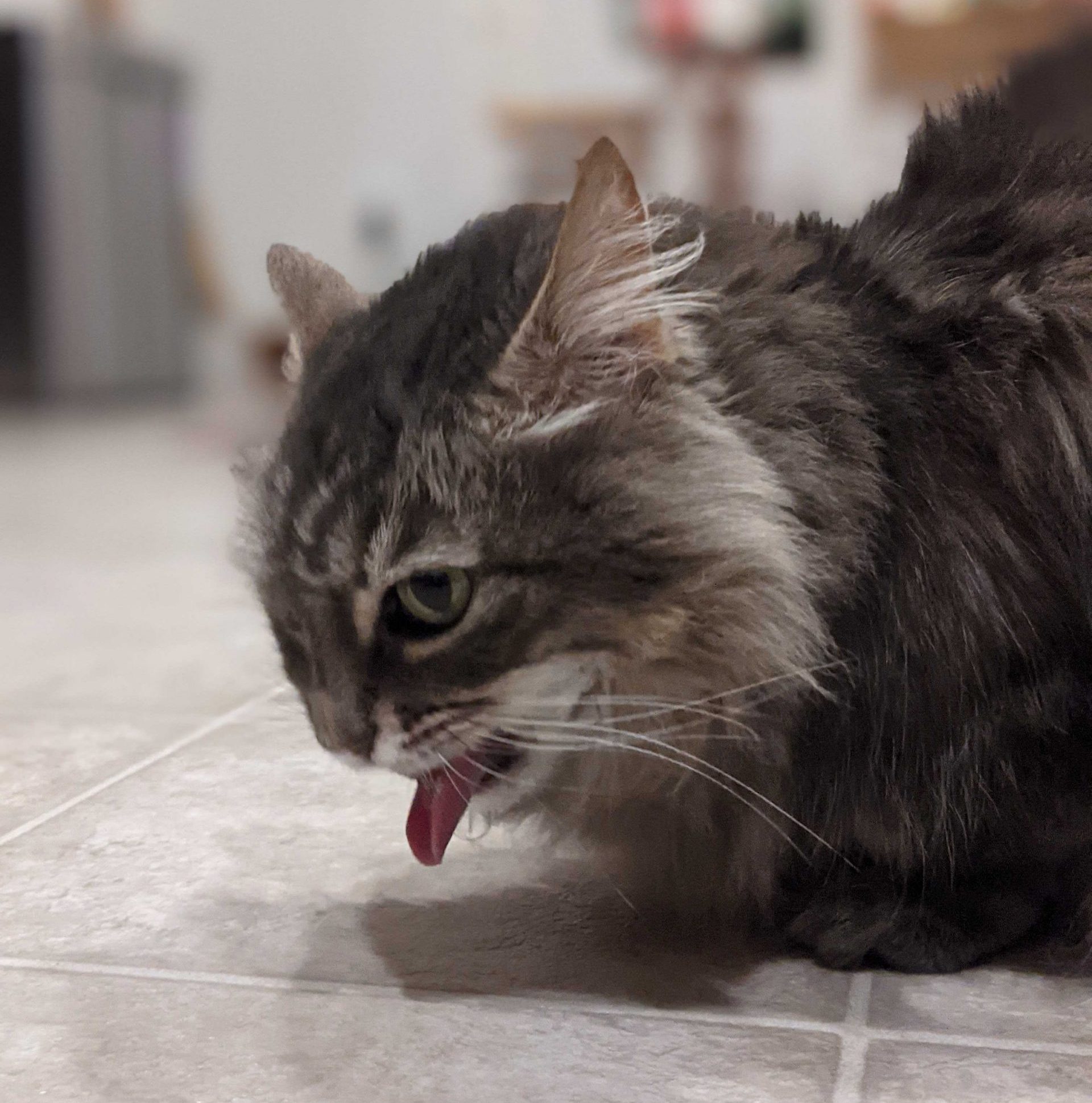
What is Vomiting in Cats?
Vomiting in cats is a process where they experience nausea and subsequently expel the contents of their stomach through their mouth. This may include food, fluids, or even hairballs. Vomiting is a common issue that can arise from various causes, ranging from minor dietary indiscretions to more serious health problems.
It’s important to differentiate vomiting from regurgitation. Regurgitation occurs when food is ejected from the esophagus before it reaches the stomach, usually soon after eating. Unlike vomiting, regurgitation does not involve nausea or retching, and the expelled food often retains its original shape and appearance, albeit covered in mucus. While regurgitation can be normal in healthy cats that eat too quickly, it can also indicate underlying health issues. Persistent regurgitation should be evaluated by a veterinarian to rule out any serious conditions.
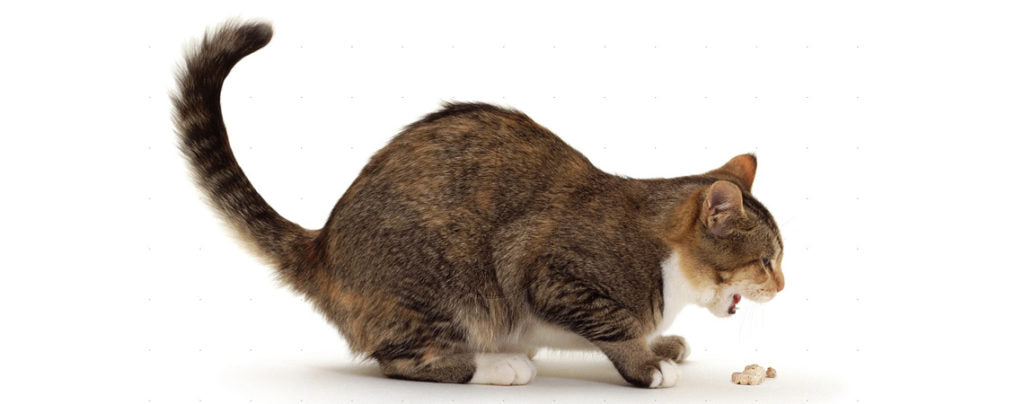
Why Do Cats Vomit?
Cats can vomit due to a wide range of causes, making it a complex symptom to diagnose. Vomiting can be classified as either acute or chronic, though certain causes are more likely to lead to one than the other. For instance, toxins and foreign bodies like string typically cause acute vomiting unless there is repeated exposure or the object remains in the stomach, which can lead to chronic issues.
The potential causes of vomiting in cats fall into several broad categories:
- Toxins: Substances such as lilies and antifreeze are harmful and can induce vomiting.
- Drugs: Certain medications like chemotherapy, antibiotics, and anti-inflammatory drugs can cause vomiting.
- Diet: Dietary intolerance, sudden changes in diet, or consuming inappropriate items like dead animals can upset a cat's stomach.
- Gastric Issues: Foreign bodies, stomach ulcers, and inflammation can lead to vomiting.
- Intestinal Problems: Inflammatory bowel disease, cancer, constipation, and foreign bodies in the intestines are common culprits.
- Organ Dysfunction: Diseases affecting the liver, kidneys, or pancreas can cause vomiting.
- Endocrine Disorders: Conditions such as hyperthyroidism, elevated calcium levels, and diabetic ketoacidosis are known causes.
- Neurologic Issues: Brain-related problems like vestibular disease, encephalitis, and brain cancers can result in vomiting.
- Infectious Diseases: Diseases like feline infectious peritonitis, feline panleukopenia, and heartworm can trigger vomiting.
- Cancer: Both direct and indirect forms of cancer, such as intestinal cancer or mast cell tumors, can lead to vomiting.
Common Types of Cat Vomit
When your cat vomits, the appearance of what they bring up can vary, and understanding these differences can help determine whether the vomiting is normal or indicative of an underlying issue.
-
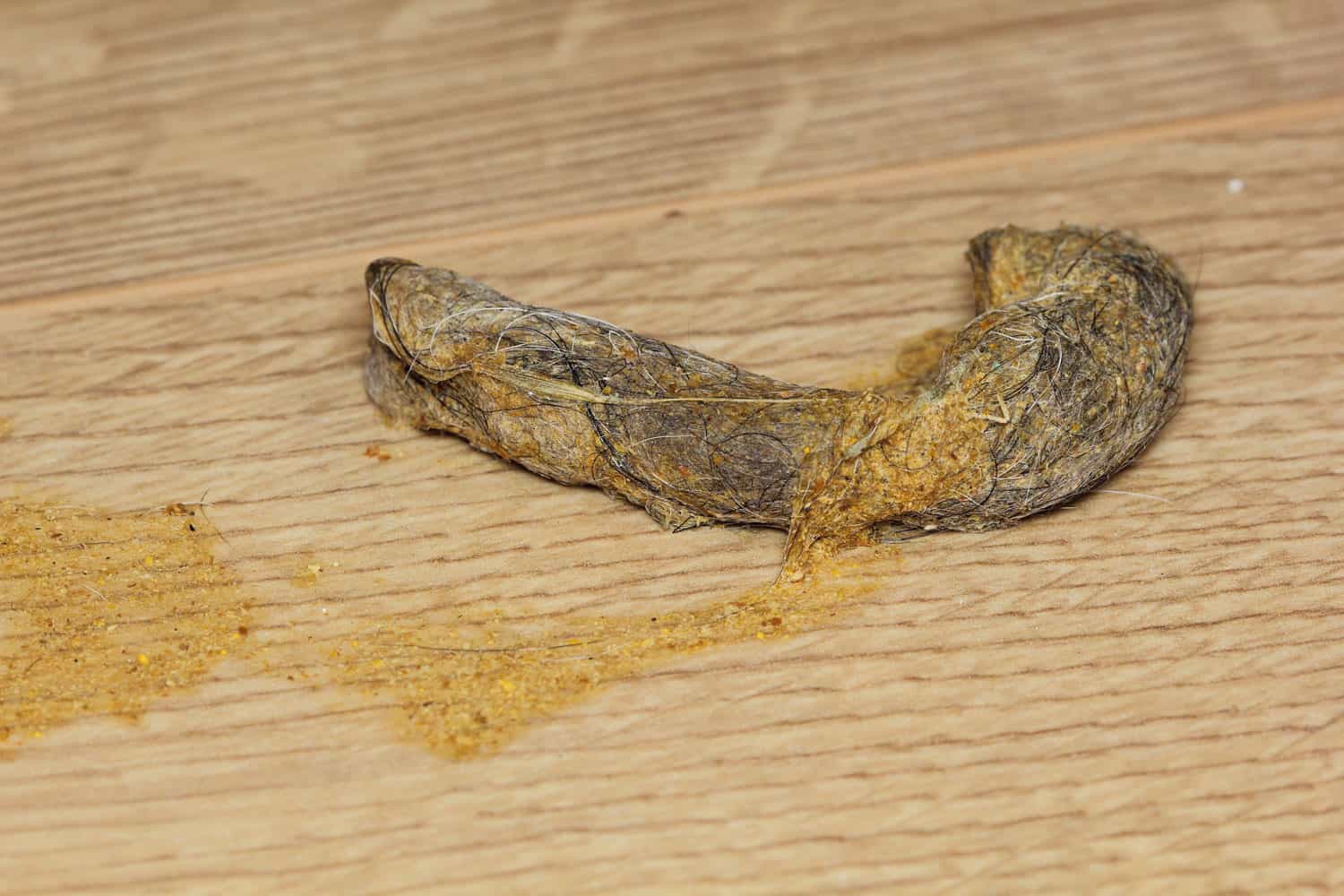
Hairballs: These are quite common and typically appear as tube-like masses made of fur, often covered in foam or stomach liquid. Hairballs occur because cats ingest fur while grooming, which then accumulates in their stomach.
-
Food: If the vomit contains undigested food, it usually means that the cat has vomited shortly after eating. This type of vomit suggests that the food hasn’t had enough time to be fully digested.
-
White Foam: Vomit consisting of white foam is a mixture of stomach fluids and mucus, indicating that the cat may have vomited on an empty stomach. This type of vomiting can occur in the morning or if the cat hasn’t eaten for a while.
Cat Vomit Color Chart
| Color of Vomit | Possible Causes | Suggested Treatments |
| Yellow/Bile | Empty stomach, gastritis, bile reflux | Feed smaller, more frequent meals; try a bland diet; anti-emetic medication; consult vet if persistent |
| White Foam | Empty stomach, hairballs, mild gastritis | Hairball remedy, regular grooming, bland diet, anti-emetic medication |
| Brown | Presence of blood (digested), severe constipation, ingestion of brown substances | Consult vet immediately, possible imaging, and blood tests, treat underlying condition |
| Green | Bile, ingestion of plant material | Remove access to plants, monitor for other symptoms, consult vet |
| Red/Bloody | Gastrointestinal bleeding, ulcers, ingestion of foreign objects or toxins | Immediate veterinary care, possible endoscopy or surgery, fluid therapy, blood tests |
| Clear Liquid | Gastric secretions from an empty stomach, regurgitation | Feed smaller, more frequent meals; bland diet; monitor for other symptoms |
| Undigested Food | Rapid eating, food intolerance, dietary indiscretion, gastrointestinal issues | Slow feeder bowls, change to a hypoallergenic or prescription diet, smaller, frequent meals, consult vet |
| Greenish-Yellow | Ingestion of toxic substances or plants, liver or gallbladder issues | Remove access to toxins, immediate veterinary care, blood tests, imaging |
| Mucus-Like | Inflammatory bowel disease, gastrointestinal infections, parasites | Veterinary consultation, fecal exam, possible deworming, antibiotics or anti-inflammatory medication |
Please note that this chart is for general reference only and the color of your cat's vomit alone may not provide a definitive diagnosis. If you notice your cat's vomiting is unusual, especially if it persists or is accompanied by other symptoms such as lethargy, loss of appetite, or behavioral changes, always consult your veterinarian for proper evaluation and diagnosis.
Home Remedies for Cat Vomiting
If your cat is experiencing mild and infrequent vomiting, you might be able to manage the situation at home with some simple remedies. However, it's crucial to consult your vet before trying these remedies, especially if the vomiting is persistent or accompanied by other symptoms.
- Hydration: Encourage your cat to drink water to stay hydrated. You can also offer ice chips if they refuse to drink water. Dehydration can worsen vomiting, so keeping your cat hydrated is essential.
- Bland Diet: After the fasting period, introduce a bland diet. Boiled chicken (without skin or bones) and plain white rice are good options. Gradually reintroduce their regular food over several days.
- Smaller, Frequent Meals: Feeding your cat smaller, more frequent meals can help prevent vomiting caused by overeating or a sensitive stomach.
- Probiotics: Probiotics can support your cat’s digestive health. These supplements can help restore the balance of good bacteria in the gut, potentially reducing vomiting.
When Should I Worry About My Cat Vomiting?
Vomiting in cats can range from an occasional, benign event to a sign of a serious health issue. It's important to monitor the frequency and severity of your cat's vomiting and to consult with your vet if you notice any concerning patterns.
- Frequent or Severe Vomiting: If your cat is vomiting frequently or cannot keep down food and water, it requires urgent examination by a vet.
- Accompanying Symptoms: Vomiting combined with changes in appetite or thirst, lethargy, diarrhea, or weight loss should prompt an immediate vet visit. These signs indicate that your cat could be unwell and needs further investigation and treatment.
- Age Considerations: Vomiting in very young kittens or older cats is more likely to be significant or lead to secondary problems such as dehydration, making prompt veterinary attention crucial.
- Parasites in Vomit: If you see parasites (worms) in your cat's vomit, especially in kittens that have not been wormed, contact your vet. Untreated parasite infections can be dangerous and should be addressed promptly. Occasionally, you might see dead worms in vomit or feces after administering a worming treatment, which indicates the treatment is working.

Always mention any instances of vomiting to your vet during routine check-ups, as there can be various underlying causes. Keep an eye on your cat's overall behavior and health. Persistent vomiting or any additional symptoms should never be ignored.
Monitoring your cat’s health and being proactive about veterinary care can help ensure any potential issues are addressed promptly, keeping your feline friend healthy and happy.
Diagnosing Vomiting in Cats
Diagnosing the cause of vomiting in cats involves a comprehensive approach, starting with a detailed history and physical examination. Your vet will gather information about the frequency, duration, and appearance of the vomit, as well as any recent dietary changes, exposure to toxins, and accompanying symptoms. A thorough physical exam helps detect signs of dehydration, abdominal pain, weight loss, and other abnormalities.
Diagnostic tests are crucial in identifying the underlying cause of vomiting. Blood tests and urinalysis provide insights into organ function, infections, electrolyte imbalances, and conditions like kidney or liver disease and diabetes. Fecal examinations can detect parasites, bacterial infections, and other gastrointestinal issues. Imaging techniques such as X-rays and ultrasound can reveal the presence of foreign bodies, tumors, and abnormal gas patterns in the intestines. In some cases, endoscopy or exploratory surgery might be necessary for a definitive diagnosis.
Treatments for a Cat Who’s Throwing Up
When diagnosing vomiting in cats, if the physical exam and history reveal no significant issues, a veterinarian may opt for symptomatic therapy, starting with fluid administration. Subcutaneous fluids can help maintain hydration and flush the system, especially as vomiting often leads to dehydration. Dehydration worsens the condition, leading to a cycle of not eating or drinking, which further exacerbates the problem. In severe cases, intravenous (IV) fluids are recommended for more effective hydration, despite the higher cost and the need for hospital stay.
Anti-vomiting medications are commonly used to control vomiting and reduce fluid loss. These medications also alleviate abdominal discomfort, encouraging the cat to eat. Stomach protectants like Pepcid or sucralfate may be added, though their effectiveness is debated. If vomiting persists despite anti-emetics, pain medication may be considered.
Diet changes are crucial for both acute and chronic vomiting. For acute vomiting, a temporary switch to easily digestible food, such as prescription diets or bland human foods (e.g., boiled chicken or baby food without onion or garlic), is recommended for a few days. For chronic vomiting, long-term dietary adjustments using prescription diets can be both therapeutic and diagnostic. If the vomiting subsides, it may indicate a dietary intolerance, allergy, or low-grade inflammatory bowel disease.
Prednisone is used for treating inflammatory bowel disease, a potential cause of vomiting. However, prednisone has significant side effects, including increased thirst, urination, weakened immune system, and muscle weakness. It's crucial to discuss the risks with a veterinarian, especially as prednisone can worsen conditions like pancreatitis, diabetes, and kidney disease. If blood work and X-rays are normal and further diagnostics are not pursued, a trial of prednisone might be considered under veterinary guidance.
Conclusion
Vomiting in cats can be a symptom of various underlying issues, from minor dietary indiscretions to serious health conditions. Recognizing the type of vomit, understanding when to worry, and knowing the appropriate steps to take can help manage your cat's health effectively. Always consult a veterinarian for persistent or severe symptoms to ensure your cat receives the best possible care.