
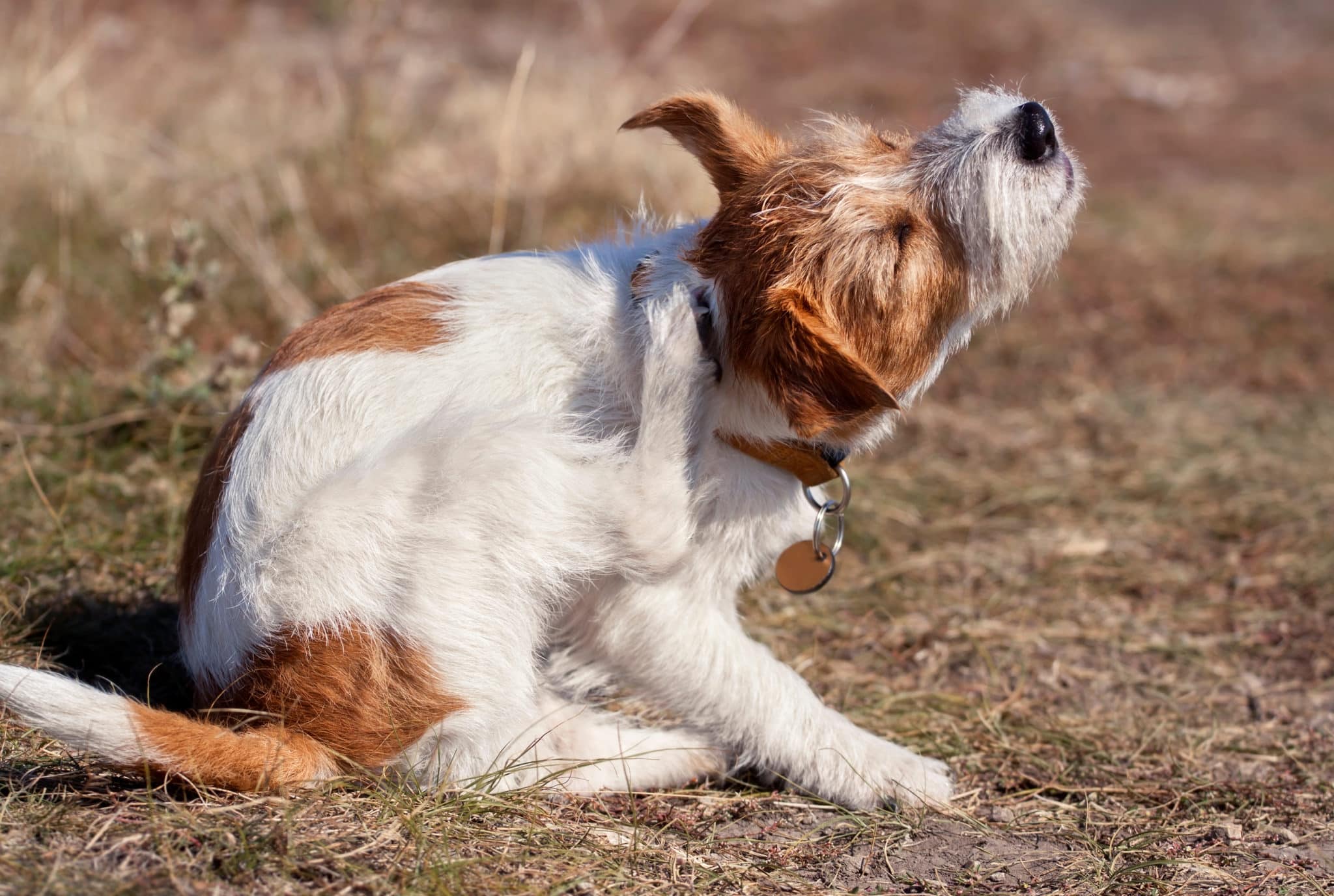
Dry skin in dogs is a common but often overlooked issue that can cause significant discomfort and lead to more serious health problems if not addressed promptly. Much like humans, dogs can suffer from a range of skin conditions, and dry skin is one of the most prevalent. This condition can manifest in various ways, from minor flakiness to severe itching and inflammation, affecting your dog’s overall well-being. Understanding the underlying causes of dry skin, the symptoms to look out for, and the best treatment options available is crucial for any dog owner. By taking proactive steps, you can ensure your dog stays comfortable, healthy, and happy.
What Causes Dry Skin in Dogs?
Dry skin in dogs can be caused by a variety of factors, ranging from environmental influences to underlying health issues. Understanding these causes can help in preventing and treating the condition effectively. Here are some common causes of dry skin in dogs:
-
Environmental Factors: Changes in weather, particularly during cold, dry winter months, can lead to a decrease in humidity, causing your dog's skin to lose moisture. Exposure to harsh winds or spending too much time in air-conditioned or heated environments can also dry out your dog’s skin.
-
Dietary Deficiencies: A lack of essential nutrients, particularly omega-3 and omega-6 fatty acids, can contribute to dry skin. These fatty acids are crucial for maintaining a healthy, well-moisturized skin barrier. A poor diet lacking in these nutrients can lead to flaky, dry skin.
-
Allergies: Dogs can develop allergies to a variety of things, including food ingredients, environmental factors like pollen and mold, or even certain grooming products. Allergic reactions often manifest as dry, itchy skin, which can lead to further irritation and discomfort.
-
Parasites: Infestations of external parasites such as fleas, mites, and ticks can cause significant irritation and dryness. Conditions like mange, caused by mites, often result in severe dry skin accompanied by itching and inflammation.
-
Medical Conditions: Certain medical conditions, such as hypothyroidism and Cushing’s disease, can alter a dog’s skin and coat health, leading to dryness. These conditions often require veterinary diagnosis and treatment to manage the symptoms effectively.
-
Frequent Bathing: Over-bathing your dog, especially using harsh or human shampoos, can strip the natural oils from their skin, leading to dryness. It’s important to use dog-specific shampoos and to avoid bathing your dog more often than necessary.
-
Aging: As dogs age, their skin naturally loses some of its moisture, making them more prone to dryness. Older dogs may require more intensive skin care to maintain healthy hydration levels.
Symptoms of Dry Skin on Dogs
Dry skin in dogs can manifest in several ways, and recognizing these symptoms early can help you address the issue before it leads to more serious problems. Here are some common symptoms of dry skin in dogs:
-
Itching and Scratching: One of the most noticeable signs of dry skin is persistent itching. Dogs with dry skin may scratch, bite, or lick their skin frequently, often focusing on specific areas.
-
Flaky or Scaly Skin: Dry skin can cause the skin to become flaky or scaly, resembling dandruff. You may notice white flakes in your dog’s fur or on their bedding.
-
Redness and Irritation: Dry skin can lead to redness and irritation, especially in areas where the dog has been scratching or licking excessively. This can result in inflamed patches of skin that are sensitive to the touch.
-
Dull Coat: A lack of moisture in the skin can affect the quality of your dog’s coat. Dry skin often leads to a dull, dry coat that lacks the usual shine and softness.
-
Hair Loss: In severe cases, dry skin can cause hair loss, particularly in areas where the dog has been scratching or biting. You may notice bald patches or thinning fur in affected areas.
-
Bumps or Rashes: Dry skin can sometimes cause small bumps or rashes to develop, which can further irritate your dog and lead to more scratching.
-
Cracked or Rough Skin: Prolonged dryness can cause the skin to become cracked or rough, which can be painful for your dog and may lead to secondary infections if not treated.
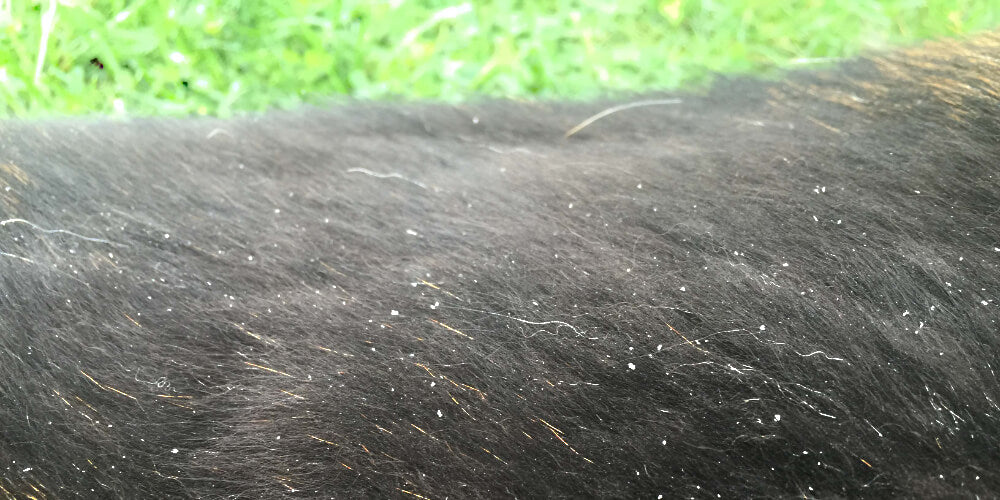
If you observe any of these symptoms in your dog, it’s important to take action to address the underlying cause of the dry skin. Consulting with a veterinarian can help determine the best course of treatment to relieve your dog’s discomfort and restore their skin health.
What To Do if Your Dog Has Dry Skin
Here are several ways to help manage and prevent dry skin in your dog:
Limit Bathing
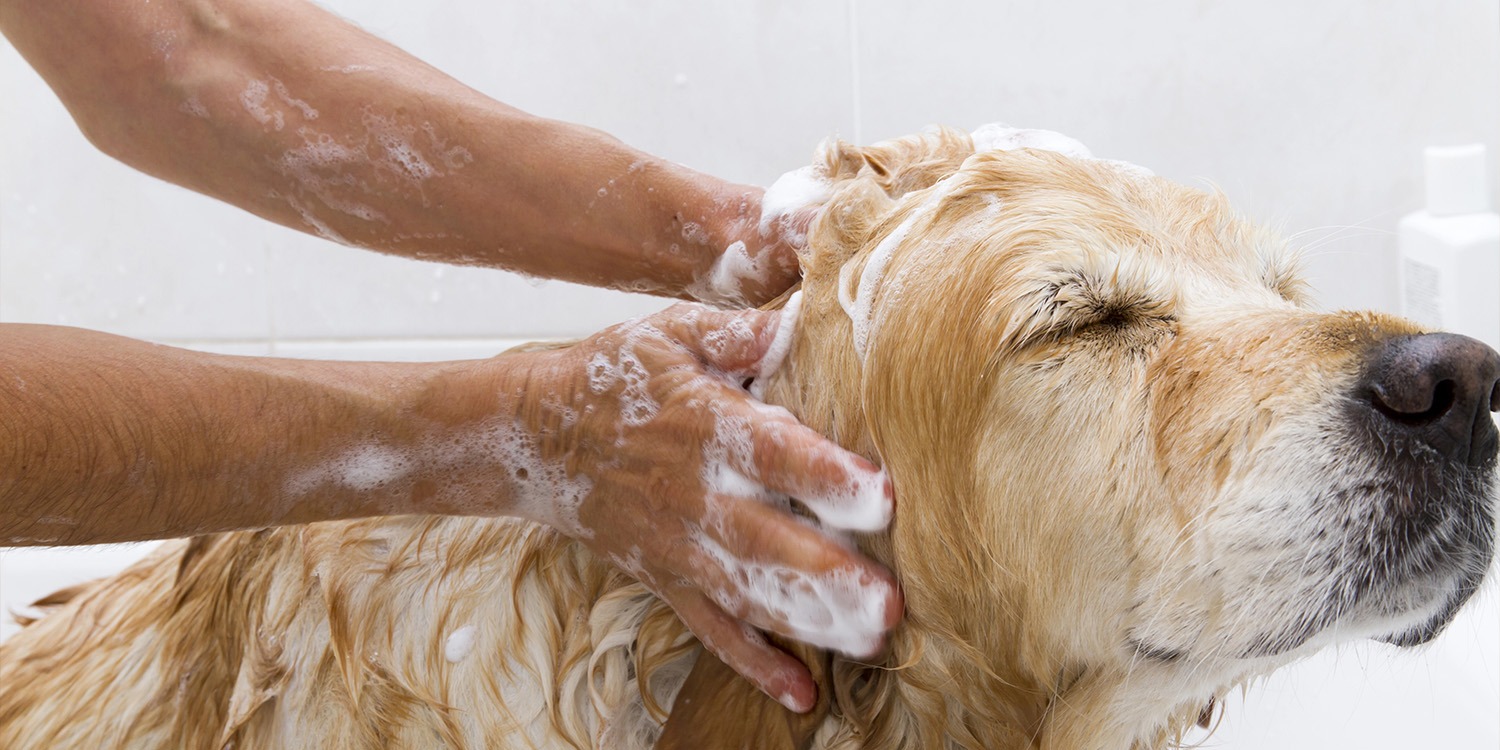
Over-washing your dog, especially with harsh or low-quality shampoos, can strip natural oils from their skin, leading to dryness. Bathe your dog only every few weeks, using a pH-balanced shampoo specifically designed for dogs, and ensure they are thoroughly dried afterward.
Avoid Prolonged Exposure to Cold
Cold, dry air can exacerbate dry skin. Limit your dog’s time outside in cold weather, and avoid long walks or trips to the dog park during particularly chilly days. The same applies to dry, arid climates, where the lack of moisture in the air can also dry out your dog’s skin.
Feed High-Quality Kibble
Nutrition plays a vital role in skin health. Feeding your dog high-quality kibble can help improve their skin condition. If you suspect your dog’s food might be contributing to dry skin, consider gradually switching to a different, higher-quality brand. Additionally, be mindful of avoiding excessive treats or human food, which can disrupt their nutritional balance.
Check for Parasites
Parasites like mites and fleas can cause dry, itchy skin. If your dog is showing signs of dry skin, it’s important to rule out a parasitic infestation. A visit to the vet can confirm whether parasites are the issue and help you implement a prevention plan.
Use a Humidifier
Dry indoor air, particularly during winter, can contribute to dry skin. Using a humidifier in your home can increase the moisture level in the air, helping both you and your dog stay more comfortable.

Add Supplements
Consider adding omega-3 and omega-6 fatty acid supplements to your dog’s diet, which can support coat and skin health. Be sure to choose supplements from reputable companies to ensure quality and effectiveness.
How Vets Find the Cause of Dry Skin in Dogs
When a dog has dry, flaky skin, veterinarians follow a systematic approach to determine the underlying cause. The process begins with a detailed history of the condition, where the vet asks questions about when the symptoms first appeared and how they have progressed. If available, photos of the affected areas can provide valuable insights.
Next, the vet conducts a thorough physical examination, checking for subtle signs that might be linked to the skin issue, such as redness between the toes or in the ears. These observations help in identifying any related conditions.
To further pinpoint the cause, the veterinarian may perform tests like a skin scraping to identify microscopic parasites, yeast, bacteria, or fungi. A flea comb may also be used to check for fleas or flea dirt.
In more complex or severe cases, additional diagnostic tests such as bloodwork or a skin biopsy might be necessary. These tests provide a deeper understanding of the problem, allowing the vet to tailor the most effective treatment plan for the dog’s condition.
Treating Dry Skin on Dogs
Treating dry, flaky skin in dogs involves a combination of proper care, environmental adjustments, and possibly dietary changes. Here’s a guide to help manage your dog’s skin condition:
-
Routine Baths: Bathing your dog every two to four weeks with a mild oatmeal shampoo can help maintain skin health. For some dogs, your veterinarian may recommend a medicated shampoo or a different bathing frequency based on their specific needs.
-
Environment: Consider your dog’s living conditions. If your dog spends a lot of time in a dry environment or near a heat source, this could contribute to dry skin. Using a humidifier in the areas where your dog sleeps or spends most of their time can add moisture to the air and help alleviate dryness.
-
Diet: Your dog’s diet plays a crucial role in their skin health. Work with your veterinarian to determine if a diet change is necessary. Your vet may suggest an over-the-counter food or a prescription diet depending on your dog’s specific needs.
-
Supplements: Fatty acid supplements can significantly improve your dog’s skin and coat health, especially if their diet is lacking in these nutrients. However, start supplements cautiously, as they can sometimes cause gastrointestinal issues like vomiting or diarrhea.
Prevent Dry Skin on Dogs
Preventing dry skin in dogs involves a combination of proper nutrition, regular grooming, and the use of preventative products. Here’s how you can help keep your dog’s skin healthy:
Feed High-Quality Food
Ensure your dog is eating a high-quality diet that they digest and tolerate well. Each dog is different, so it’s important to find a food that works specifically for your dog’s needs, rather than following general recommendations.
Use Flea and Tick Prevention
Regular use of veterinarian-recommended flea and tick products year-round not only helps prevent skin irritation but also protects your dog and family from diseases that some parasites can transmit.
Regular Grooming
Brush your dog’s coat several times a week to remove loose fur and keep their skin and coat healthy. Trim their nails weekly, and bathe them every two to four weeks with a mild shampoo. Regular grooming helps condition the skin and allows you to spot any potential skin issues early.
Early Detection
Staying vigilant and addressing skin problems as soon as they arise can make treatment simpler and more effective, ensuring your dog stays comfortable and healthy.
Conclusion
Dry skin in dogs is a condition that requires attention and care, as it can significantly impact your dog’s comfort and overall health. By understanding the various causes, from environmental factors to underlying health conditions, you can take proactive measures to prevent and treat dry skin effectively. Regular grooming, a balanced diet, and timely veterinary care are key components in managing this common issue. If you notice persistent symptoms of dry skin, such as itching, redness, or hair loss, it’s essential to consult your veterinarian. They can provide a tailored treatment plan to address your dog’s specific needs, ensuring they remain healthy and happy. By taking the time to care for your dog’s skin, you not only improve their quality of life but also strengthen the bond you share with your furry friend.