
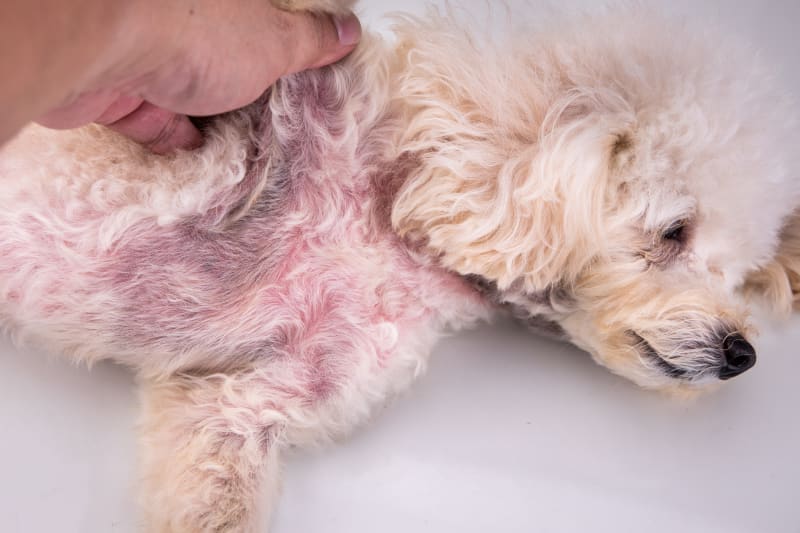
Skin yeast infections in dogs are a common and uncomfortable condition that can cause significant discomfort for your pet. Understanding the causes, recognizing the symptoms, and knowing how to treat and prevent these infections are crucial for maintaining your dog’s skin health and overall well-being.
What Are Yeast Infections in Dogs?
Yeast infections in dogs occur when the naturally occurring yeast on their skin, particularly Malassezia, overgrows due to a weakened immune system or an underlying health condition, such as hypothyroidism. These infections are often characterized by intense itching, a foul odor, and greasy fur, with affected areas of the skin becoming thickened and discolored over time. While yeast infections are common and not considered medical emergencies, they require prompt veterinary treatment to prevent the symptoms from worsening. Untreated, these infections can cause significant discomfort, potentially leading to decreased appetite and lethargy. Since yeast infections are typically linked to underlying health issues, they are not contagious to other dogs or humans.
Types of Yeast Infections in Dogs
Yeast infections in dogs can affect various parts of the body, most commonly the ears, skin, and paws.
Ears (Yeast Otitis)
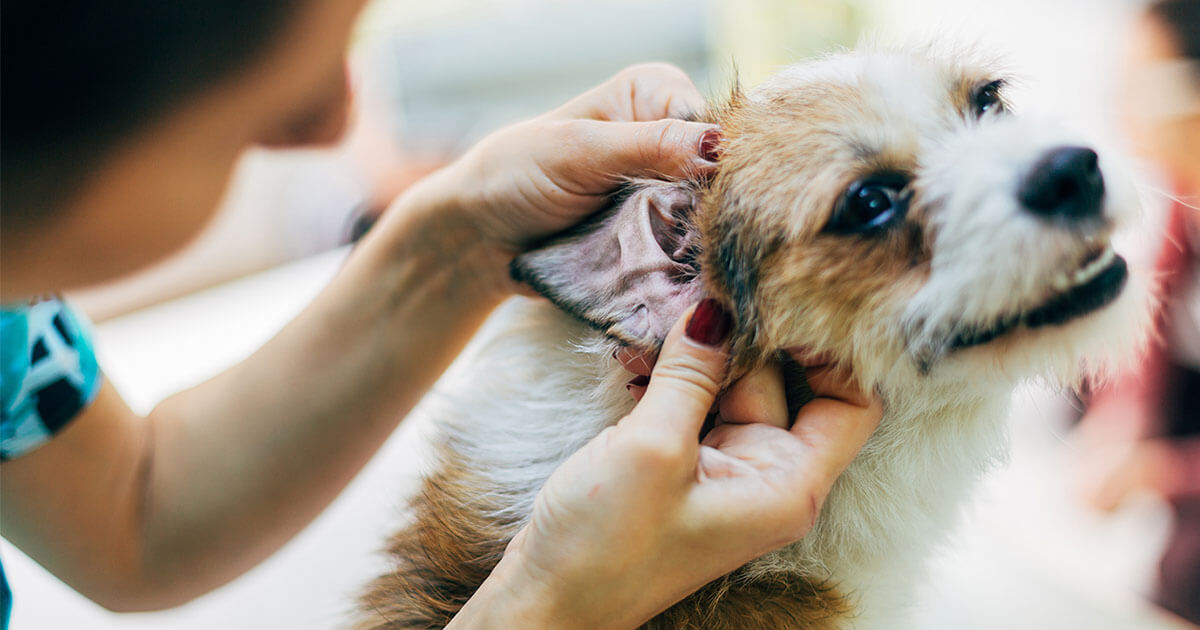
Yeast infections in the ears, known as yeast otitis, are characterized by a thick, brown discharge and a strong odor from the ear canal. Dogs with this condition often scratch their ears, shake their heads, and may even develop a head tilt due to discomfort. This type of infection is frequently linked to food allergies and is more common in breeds with long ears, such as Cocker Spaniels, Labrador Retrievers, and Basset Hounds.
Skin (Yeast Dermatitis)
Yeast dermatitis refers to yeast infections that occur on the skin. Affected dogs typically have a musty odor, a greasy coat, flaky or thickened skin, and hair loss. They often lick the affected areas, leading to brown discoloration over time. This type of dermatitis usually affects areas like the skin folds, armpits, vulva, and groin, and is often associated with allergies or a weakened immune system.
Paws
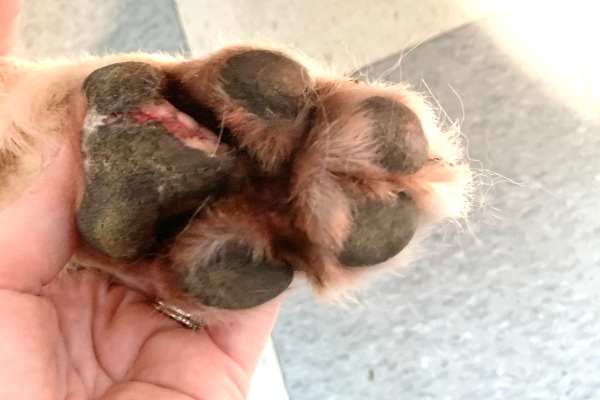
Yeast infections on the paws are generally linked to environmental allergies, such as those to grass or pollen. Dogs with this condition constantly lick or chew their itchy paws, which leads to brown discoloration between the paw pads. Over time, open sores can develop, making the paws painful and further complicating the infection.
Symptoms of Yeast Infections in Dogs
Yeast infections in dogs can cause a variety of uncomfortable symptoms, which often affect the skin and ears. Common symptoms include:
-
Itching and Scratching: Persistent itching is a hallmark of yeast infections, often leading to your dog scratching or licking the affected areas excessively. This is particularly common in areas like the ears, paws, and skin folds.
-
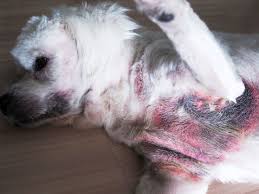
Redness and Inflammation: The skin may appear red and inflamed, especially in areas where the yeast infection is most active. This can make the skin sensitive and painful to touch.
-
Greasy or Oily Skin: Yeast infections can cause the skin to become greasy or oily, often accompanied by a musty or yeasty odor that is distinct and noticeable.
-
Flaky or Scaly Skin: In some cases, the skin may develop dry, flaky patches, similar to dandruff. These flakes can be seen on the surface of the skin and in your dog’s fur.
-
Hair Loss: Due to constant scratching and irritation, hair loss may occur in the infected areas, leaving bald patches that can become more pronounced if the infection persists.
-
Thickened Skin: Over time, the skin in the affected areas may thicken and become more leathery in appearance due to chronic inflammation and irritation.
-
Discharge and Odor: Yeast infections in the ears often produce a thick, dark discharge with a strong, unpleasant odor. The ears may also be red and swollen, and your dog may shake its head or rub its ears frequently.
-
Ear Infections: Yeast infections commonly affect the ears, leading to symptoms such as head shaking, scratching at the ears, and a noticeable discharge. The ears may be tender, and the infection can cause significant discomfort.
How Veterinarians Diagnose Yeast Infections in Dogs
To diagnose yeast infections in dogs, veterinarians use a combination of medical history, physical exams, and specific diagnostic tests. The process begins with gathering detailed information about the onset of symptoms, any medications your dog is taking, and any pre-existing health conditions.
A full physical exam is then conducted to assess your dog’s overall health, and blood work may be performed to check for underlying abnormalities. Depending on the findings, additional tests may be necessary:
-
Tape Impression: A piece of clear tape is pressed against the affected skin to collect a sample, which is then stained and examined under a microscope to detect yeast.
-
Cytology: A cotton swab is used to collect a sample from the infected area. The sample is then transferred to a microscope slide, stained, and examined to identify the presence of yeast.
-
Culture: A sterile cotton swab collects a sample that is sent to a lab for analysis to determine the specific type of organism causing the infection.
-
Skin Biopsy: In cases of chronic or unresponsive infections, a small piece of skin is surgically removed and sent to a lab for a more precise diagnosis.
These methods help veterinarians accurately diagnose yeast infections and tailor treatment to your dog’s specific needs.
Treatment of Yeast Infection in Dogs
Treatment for yeast infections in dogs varies depending on the location and severity of the infection:
Ear Infections
If the yeast infection is in the outer ear, a veterinarian will typically prescribe a topical antifungal cream. For infections deeper in the ear canal, such as in the middle ear, antifungal drops or oral medications may be necessary. The vet may also recommend a thorough ear cleaning and ongoing use of ear-drying solutions to prevent recurrence.
Paw Infections
Yeast infections on the paws often require daily application of a topical antifungal lotion or spray, along with the use of a disinfectant spray to kill germs. To prevent the dog from licking the paws and interfering with the healing process, an Elizabethan collar may be recommended.
Skin Infections
For yeast infections on the skin, treatment usually involves both topical and oral antifungal medications. Medicated antifungal shampoos are commonly used to cleanse and treat the skin, with the shampoo needing to be left on the skin for about 10 minutes before rinsing. This bathing process may need to be repeated regularly for up to 12 weeks. If a bacterial infection accompanies the yeast infection, antibiotics may also be prescribed.
Natural Yeast Infection Treatment for Dogs’ Skin
There are several natural remedies that may help manage yeast infections on a dog’s skin. These should be used with caution and ideally under the guidance of a veterinarian:
-
Coconut Oil: Coconut oil has antifungal properties and can be applied directly to the skin. It also helps soothe irritated skin and reduce inflammation.
-
Probiotics: Introducing probiotics into your dog’s diet can help balance the gut microbiome, which may reduce yeast overgrowth on the skin. Probiotics can be given in supplement form or through natural sources like plain yogurt (ensure it’s free of added sugars and artificial sweeteners).
-
Aloe Vera: Aloe vera gel, known for its soothing properties, can be applied to the skin to reduce inflammation and irritation caused by yeast infections.
-
Oatmeal Baths: An oatmeal bath can help soothe itchy, irritated skin. Grind plain oatmeal into a fine powder and mix it into a warm bath, letting your dog soak for about 10-15 minutes.
Home Remedies for Dogs with Skin Yeast Infections
Managing skin yeast infections in dogs can be supported by incorporating some home remedies that focus on diet and regular cleaning.
Dietary Changes
One effective approach is to adjust your dog's diet. Since yeast thrives on sugars, consider switching to a diet that is low in carbohydrates. A grain-free, high-protein diet can help reduce the growth of yeast, supporting a healthier skin environment.
Regular Cleaning
Another important home remedy is regular cleaning of the affected areas. You can gently cleanse your dog’s skin with a natural antifungal rinse, such as a diluted apple cider vinegar solution. This helps control yeast growth and soothes irritated skin. Regular cleaning not only keeps the yeast in check but also promotes healing and comfort for your dog.
These home remedies can be used alongside veterinary treatment to help manage skin yeast infections and improve your dog’s overall skin health.
Prevention of Yeast Infection in Dogs
Preventing yeast infections involves maintaining good hygiene, addressing any underlying health issues, and taking proactive measures to protect your dog’s skin. Here are some tips:
-
Regular Grooming: Keep your dog’s coat clean and dry, especially after baths or swimming. Pay special attention to drying areas prone to moisture, such as skin folds and ears.
-
Flea and Allergy Management: If your dog has allergies, work with your vet to manage them effectively. Flea control is also essential, as flea allergies can lead to skin irritation and subsequent yeast infections.
-
Balanced Diet: Ensure your dog is eating a balanced diet that supports immune health and skin integrity. If your dog is prone to yeast infections, consider a diet rich in omega-3 fatty acids to reduce inflammation and improve skin health.
-
Regular Veterinary Check-Ups: Regular visits to your vet can help detect early signs of yeast infections and other skin issues, allowing for prompt treatment before the condition worsens.
Conclusion
Skin yeast infections in dogs can be uncomfortable and challenging to manage, but with the right approach, you can help your dog recover and prevent future infections. By understanding the causes, recognizing the symptoms, and following a comprehensive treatment and prevention plan, you can keep your dog’s skin healthy and free from the discomfort of yeast infections. Regular veterinary care, good hygiene, and a balanced diet are key components of maintaining your dog’s overall well-being.