
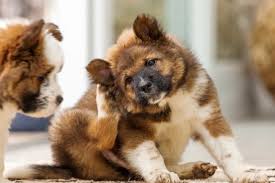
An unusual odor coming from your dog’s ears can be concerning and is often a sign that something isn’t quite right. While a mild, natural scent is normal, a strong or foul odor may indicate an underlying issue that needs attention. Understanding the causes of ear odor in dogs and how to address them is key to maintaining your pet’s ear health.
What Is Ear Odor in Dogs?
Ear odor in dogs is a foul smell coming from the ears, often signaling an underlying issue such as an infection. This odor is usually accompanied by symptoms like excessive ear scratching, which can lead to further irritation or injury. The smell could indicate a yeast infection, bacterial infection, or a buildup of debris that needs to be addressed. It’s important to have your dog’s ears checked by a veterinarian to determine the cause and severity of the condition. In some cases, the ears may simply need a thorough cleaning and medicated drops to prevent infection. Proper ear care, including regular cleaning, is essential to maintaining your dog’s ear health and preventing unpleasant odors.
What Causes Ear Odor in Dogs?
Ear odor in dogs can result from various underlying issues, each requiring different approaches to treatment. Here are some common causes of ear odor in dogs:
-
Moisture Buildup: Dogs with floppy ears, like Spaniels and Labradors, are prone to excessive moisture buildup in their ears. This moisture creates an ideal environment for bacteria and yeast to thrive, leading to infections and unpleasant odors.
-
Mite Infestation: Ear mites are tiny parasites that can infest your dog’s ears, causing irritation and a distinct odor. These mites often leave behind dark brown, granular deposits within the ear, which can be a telltale sign of their presence.
-
Scratching-Induced Trauma: When a dog scratches its ears due to irritation or infection, it can worsen the condition by causing trauma or scratches. This can lead to further inflammation and a stronger odor due to the infection.
-
Bacterial Infections: A bacterial infection in the ear often produces a strong, obnoxious smell accompanied by discharge. These infections can occur when the natural defenses of the ear are compromised.
-
Excessive Hair: Dogs with excessive hair in their ear canals may experience reduced airflow, which can trap moisture and lead to infections. Trimming the hair around the ears can help prevent this issue.
-
Foreign Objects: A foreign object, such as a seed head, can become trapped in the ear, causing irritation, infection, and odor. This is especially common in dogs that spend a lot of time outdoors.
-
Hormonal Imbalances: Abnormal hormonal development, such as hypothyroidism, can contribute to ear infections and odors by affecting the skin and ear canal environment.
-
Allergies: Allergies, whether related to diet or triggered by ear cleaning products, can cause inflammation in the ears, leading to odor. Identifying and managing these allergies is crucial to preventing ear problems.
-
Yeast Infections: Yeast infections in the ears are notorious for creating a strong, musty smell. These infections are common in dogs with chronic ear issues or those with underlying health conditions.
-
Tumors: Tumors within the inner ear, although less common, can cause persistent odor and other symptoms like discharge and hearing loss.
-
Wax Buildup: Excessive wax buildup in the ear can trap bacteria and debris, leading to infections and foul smells. Regular ear cleaning can help prevent this issue.
Symptoms of Ear Odor in Dogs
A noticeable, pungent odor coming from your dog’s ears is a clear sign that something may be wrong and warrants veterinary attention. Along with the foul smell, you may observe several other symptoms:
- Irritability or Depression: Your dog may seem more irritable or down, especially if the ears are tender and painful to the touch.
- Head Shaking: Persistent head shaking is a common response to ear discomfort.
- Head Rubbing: Your dog might rub their head on the ground or against furniture to relieve the itch or discomfort.
- Musty Smell: A musty odor could indicate a yeast infection in the ear.
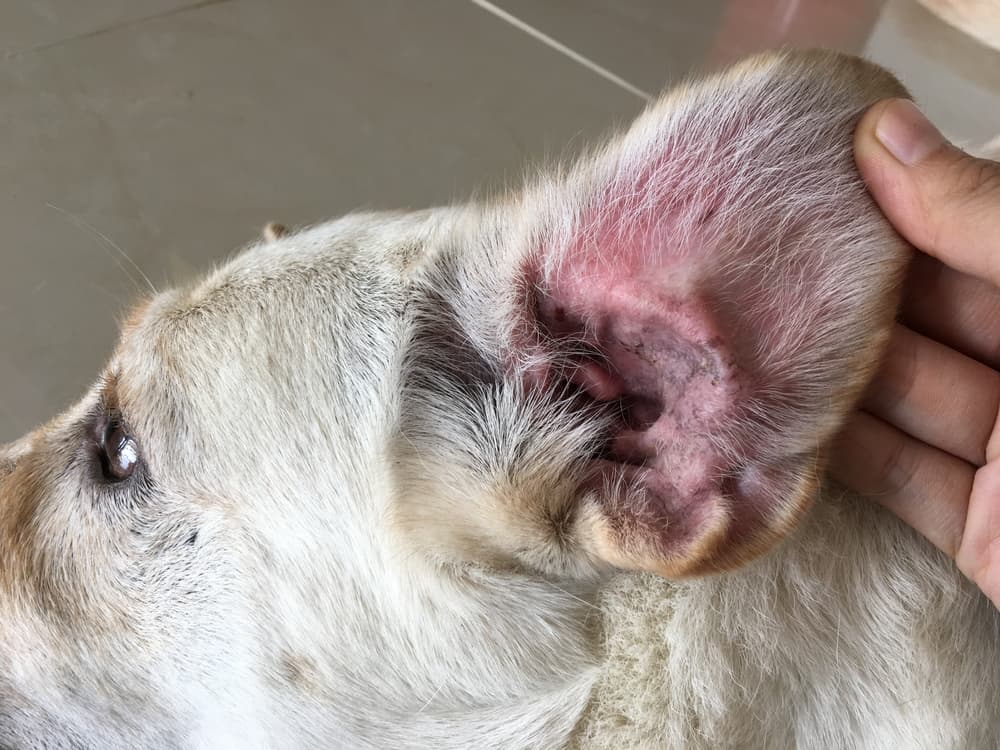
- Redness: Redness on the ear flap or inside the ear is often a sign of inflammation or infection.
- Constant Scratching: Continuous scratching of the ear area suggests significant irritation or pain.
- Tenderness: The ear area may be tender or painful when touched.
- Ear Discharge: You might notice discharges from the ear, which can range in color and consistency depending on the underlying cause.
When to contact your vet
If you notice persistent ear odor in your dog, it's important to contact your veterinarian, as this could indicate an infection or other serious ear issue. Along with the odor, other signs that warrant a vet visit include excessive scratching, head shaking, and any redness or swelling in the ear. These symptoms suggest irritation or pain that requires professional attention.
Ear discharge, whether clear, yellow, green, or bloody, is another sign that something is wrong and should be evaluated by a vet. Additionally, if your dog shows signs of tenderness or pain when their ears are touched, or if they exhibit behavioral changes like increased irritability or lethargy, it's crucial to seek veterinary care.
More severe symptoms, such as balance issues or hearing loss, may indicate a deeper ear problem that needs prompt diagnosis and treatment. Early intervention can help prevent complications and ensure your dog receives the appropriate care.
How Veterinarians Diagnose Ear Odor in Dogs
If your dog has a persistent ear odor, it's important to first ensure that the smell is indeed coming from the ears, as dogs are known for rolling in unpleasant substances. Once confirmed, it's best to have your dog's ears checked by a veterinarian. The structure of a dog's ear canal is L-shaped, which can trap debris and make it difficult to clean without proper tools.
A veterinarian will use an otoscope to look deep into the ear canal and examine the tympanic membranes (eardrums) to assess the extent of any infection and check for foreign objects that might be causing the problem. This thorough examination is crucial for identifying the underlying cause of the odor and determining the appropriate treatment.
It's important not to attempt cleaning your dog’s ears on your own unless instructed by a veterinarian, as improper cleaning can cause harm. Your vet can show you the correct method and advise on a regular ear cleaning routine. If your dog has excessive hair inside the ear, the vet may trim it carefully to improve air circulation and reduce moisture buildup, which can help prevent future infections.
Treatment of Ear Odor in Dogs
Treating ear odor in dogs typically involves addressing the underlying cause, whether it's a bacterial infection, yeast infection, or other issue. Antibiotics are prescribed for bacterial infections, while antifungal medications are used to treat yeast infections. To reduce inflammation, your veterinarian may prescribe glucocorticoids like dexamethasone. Treatment often requires ongoing care at home, including regular ear cleaning and the application of prescribed medications.
For systemic conditions or allergies, a comprehensive approach is necessary. Allergies might be managed with regular ear cleaning using a topical lotion and possibly antihistamines to reduce irritation. Ear mites and yeast infections each require specific treatments tailored to the condition.
Home Remedies for Dogs with Ear Odor
While it's important to consult a veterinarian for persistent ear odor in dogs, some home remedies can help manage mild cases and support overall ear health:
-
Regular Ear Cleaning: Gently clean your dog’s ears with a vet-approved ear cleaner. This helps remove debris, wax, and buildup that can contribute to odor. Avoid using cotton swabs deep in the ear, as they can push debris further into the ear canal.
-
Apple Cider Vinegar Solution: Dilute apple cider vinegar with equal parts water and use it as a gentle ear rinse. The vinegar’s natural antibacterial and antifungal properties can help reduce odor and prevent infections. Be cautious not to use this if your dog’s ears are inflamed or have open sores, as it can sting.
-
Coconut Oil: Apply a small amount of coconut oil to the outer ear flap to help soothe irritation and provide mild antimicrobial effects. Coconut oil can also help moisturize the ear and reduce dryness that can lead to odor.
-
Keep Ears Dry: After bathing or swimming, ensure your dog’s ears are thoroughly dried. Excess moisture in the ears can create an environment conducive to bacterial or yeast growth, leading to odor.
-
Probiotics: Adding probiotics to your dog’s diet can help balance the natural flora in their body, which may reduce yeast-related ear issues. Consult your vet for the appropriate type and dosage.
Preventing Ear Odor in Dogs
Preventing ear odor in dogs requires regular ear care and attention to maintain ear health. Start by cleaning your dog’s ears regularly with a vet-approved ear cleaner to remove dirt, wax, and debris that can cause odor. After activities like bathing or swimming, make sure to thoroughly dry your dog’s ears to prevent moisture buildup, which can lead to bacterial and yeast growth. Routine inspections of your dog’s ears are important for early detection of any signs of redness, swelling, or unusual discharge, allowing you to address potential issues before they become serious. Keeping the hair around your dog’s ears trimmed can also help improve air circulation and reduce the chance of moisture and debris getting trapped.
Additionally, maintaining a healthy diet for your dog, managing allergies, and avoiding irritants like dust or smoke can further help prevent ear problems. By following these preventive steps, you can help keep your dog’s ears healthy and free from unpleasant odors.
Conclusion
Odor in your dog’s ears is often a sign of an underlying issue that needs attention. By understanding the common causes and seeking prompt veterinary care, you can help keep your dog’s ears healthy and free from unpleasant smells. Regular ear maintenance and early intervention are key to preventing and addressing ear odor in your furry friend.